- info@selfchec.org
Powered by Google  Translate
TranslateLung Cancer

If You Think You Might Be Ready To Stop Smoking,
It’s Time To Read This
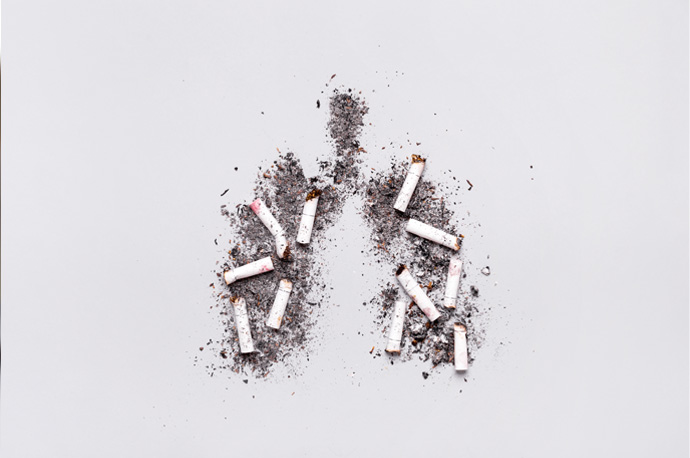
Why stop smoking? How many times have you secretly thought that a persistent cough you have could be lung cancer — or as a result, the next cigarette you smoke might surely cause it?
We don’t blame you for feeling this way, lung cancer is the leading cause of cancer death in men and women in the U.S, and cigarette smoking causes about 90% of lung cancer deaths.
We can’t make you stop smoking by telling you the risk factors and how you can stop. That has to come from the inner voice in your head that helps you make good decisions for yourself and impacts those you care about.
Risk Factors
Your Lung Cancer Risk Tool
Click the Lung Cancer Risk Calculator Tool from The Siteman Cancer Center to help determine your lung cancer risk factors and what you may be able to do to reduce your risk.
Other Lung Cancer Risk Factors
- Cigarette smoking. The number one risk factor for lung cancer. Smoking cigarettes can make you 15 to 30 times more likely to be diagnosed with lung cancer or die.
- Secondhand smoke. Smoke from other people’s cigarettes, pipes, or cigars. When a person breathes in Secondhand smoke, it’s almost like they are smoking, too.
- Radon. A naturally occurring gas that comes from rocks and dirt and can get trapped in houses and buildings. Radon cannot be seen, tasted, or smelled. Note: an inexpensive kit is available at hardware stores to test your home for radon.

Signs And Symptoms

Lung cancer signs and symptoms are not apparent in the early stages of the disease. So be aware of the following:
- A cough that doesn’t go away and gets worse over time.
- Constant chest pain.
- Bone pain.
- Headache.
- Coughing up blood.
- Shortness of breath, wheezing or hoarseness.
- Repeated problems with pneumonia or bronchitis.
- Swelling of the neck and face.
- Loss of appetite or weight loss.
- Fatigue.
Reduce Your Chances Of Getting Lung Cancer
You can reduce risks of lung cancer by practicing the following:
- Don’t smoke. If you’ve never smoked, don’t start. Talk to your children about not smoking.
- Stop smoking Now. Quitting reduces your risk of lung cancer, even if you’ve smoked for years.
- Avoid secondhand smoke. If you live or work with a smoker, urge him or her to quit.
- Test your home for radon. Have the radon levels in your home checked, especially if you live in an area where radon is known to be a problem.
- Avoid carcinogens at work. Take precautions to protect yourself from exposure to toxic chemicals at work.
- Eat Healthy. Food sources of vitamins and nutrients are best.
- Exercise. If you don’t exercise regularly, start out slowly. Try to exercise most days of the week.

Why We Don’t Talk About Early
Signs And Symptoms Of Lung Cancer?

Most people don’t even know they may have the symptoms of early lung cancer. One of the biggest enemies of detecting lung cancer early can be their attitudes about lung cancer.
A research project conducted by the Faculty of Health & Wellbeing Sheffield Hallam University in Doncaster UK involved interviewing people with lung cancer. They said there are many reasons why people with symptoms don’t call their health professional, including:
- Thinking their cough is due to another health problem e.g. a winter virus, a chronic chest problem or it will clear up if left alone.
- Worrying they would be wasting the doctor’s time.
- Frightened that the cough may mean something more serious, for example, lung cancer.
- Ex-smokers or non-smokers thinking they had no risk of lung cancer.
I’m An Ex-smoker. How Can I Protect Myself?
If you were or are a smoker, have a family history of lung cancer or have any symptoms, talk to your health professional. She or he may recommend that you have a lung screening test. It is important to remember that your health professional does not necessarily think you have cancer. This is just a precaution.
Not smoking, and quitting if you do, is your best way to prevent lung cancer. Did you know that after 10 years of not smoking, your chances of developing lung cancer falls to half that of someone who smokes.
Research also suggests that healthy lifestyle choices like eating a healthier diet and exercising can help you prevent lung cancer.
If you’re an ex-smoker please read: Daily Mail UK

Resources: CDC, NIH and Cancercare, Mayo Clinic, Cancer Research UK
Frequently Asked Questions
.gif)
Reduce your chances of being diagnosed with lung cancer. See improvements in your health, your finances, and your self-esteem. Click the Frequently Asked Questions below for more answers. Read more
Use the lung cancer Risk Calculator Tool from The Siteman Cancer Center on this page. It should help you determine if you do. Read more
Some lung cancer symptoms mirror other diseases. Find out which ones. Read more
Stopping smoking is the best way of reducing lung cancer. On this page, we’ve also made it easier for you to take other positive actions. Read more
You may be your own worst enemy. It’s time to find out. Read more
There are early detection screening tests available to you. Please talk to your health professional about them. Read more
.png)